
Overview of the Slovenian Job Market
The Slovenian labor market in 2025 and 2026 is characterized by a high level of stability and a record-low unemployment rate, which hovers around 3.4% to 4.5% according to latest forecasts. As an export-oriented economy deeply integrated into the European Union supply chain, Slovenia offers a dynamic environment for foreign professionals. The market is currently undergoing a structural shift driven by digital transformation and an aging domestic population, leading to significant demand for international talent across various skill levels.
Foreign nationals will find a market that is highly regulated but increasingly accessible, especially in sectors experiencing acute labor shortages. The Employment Service of Slovenia (ZRSZ) is the primary institution managing labor transitions and provides essential resources for job seekers and employers alike.
Key Sectors and Industries
Slovenia’s economy is diversified, with a strong emphasis on high-tech manufacturing and specialized services. The following sectors are the primary drivers of employment:
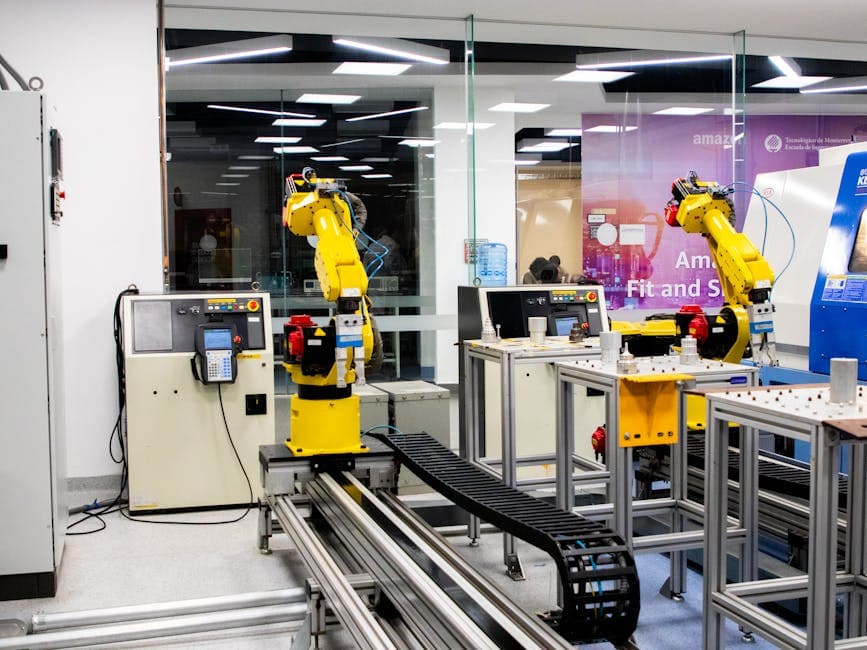
- Manufacturing: This is the backbone of the economy, particularly the automotive and pharmaceutical industries. Key companies like Krka and Lek (pharmaceuticals) and Revoz (automotive) are major employers.
- Information and Communication Technology (ICT): A rapidly growing sector focusing on niche software solutions, cybersecurity, and Industry 4.0 applications.
- Logistics and Transport: Centered around the Port of Koper and the highway cross-sections connecting Central Europe to the Adriatic Sea.
- Tourism and Hospitality: Highly seasonal but vital, particularly in Ljubljana, the Alpine regions (Bled), and the coastal towns.
- Healthcare and Social Care: Facing the highest demand due to demographic changes, with a constant need for medical practitioners and nursing staff.
Labor Shortages and Short-Supply Occupations
To address the tight labor market, Slovenia has expanded its official Shortage Occupations List. For 2025 and 2026, this list includes over 100 professions. For foreign workers, securing a job in one of these categories often leads to a simplified and faster administrative process for obtaining a Single Work and Residence Permit.
High-demand roles currently include:
- Technical Trades: Electricians, welders, locksmiths, plumbers, and carpenters.
- Construction: Civil engineers, bricklayers, and heavy machinery operators.
- Healthcare: Specialist doctors, registered nurses, and physiotherapists.
- IT: Applications programmers, data analysts, and software developers.
- Service: Chefs, professional drivers, and butchers.
Wages and Working Conditions
Wage levels in Slovenia are adjusted annually to account for inflation and the cost of living. As of early 2025, the government implemented a 1.9% increase to the legal minimum wage.
Key financial benchmarks for 2025/2026 include:
- Minimum Wage: 1,277.72 EUR gross ($1,380 USD, Jan 2026).
- Average Gross Salary: Approximately 2,506.67 EUR ($2,707 USD, Jan 2026).
- Average Net Salary: Approximately 1,573.05 EUR ($1,700 USD, Jan 2026).
Standard working hours are 40 hours per week, and employees are entitled to a minimum of 20 days of annual leave. A unique feature of the Slovenian market is the regres—an annual holiday allowance that employers must pay to all employees, typically ranging from the minimum wage amount upwards.
Note: For foreign residents, net income may vary based on individual tax status and dependent family members. Detailed information can be found at the Financial Administration of the Republic of Slovenia (FURS).

Regional Employment Hubs
The job market is not uniform across the country. Employment opportunities tend to cluster in specific geographic areas:
- Osrednjeslovenska (Ljubljana Region): The administrative and financial heart, offering the highest concentration of service-sector and ICT jobs.
- Podravska (Maribor): A major hub for logistics, trade, and automotive manufacturing.
- Obalno-kraška (Koper): Dominated by maritime logistics, international trade, and tourism.
- Savinjska (Celje): Known for strong metal-processing and chemical industries.
While the capital offers the highest salaries, regional hubs often provide a lower cost of living, particularly regarding housing expenses.