
Cultural Orientation in Slovenia
Slovenian culture is a unique intersection of Central European, Slavic, and Mediterranean influences. While the society is modern and increasingly globalized, it retains a deep respect for tradition, nature, and formal social structures. For foreigners moving to the country in 2025 or 2026, understanding these nuances is essential for successful integration into both social and professional circles.
Slovenians are often described as reserved but polite. Once a personal or professional relationship is established, this initial formality typically shifts toward genuine warmth and hospitality. The country places a high value on honesty, reliability, and environmental stewardship.
Social Interaction and Communication
Communication in Slovenia is generally direct but maintains a layer of formal politeness. The Slovenian language uses a distinction between formal (vikanje) and informal (tikanje) forms of address, which dictates much of the social hierarchy.
Greetings and Address
- Initial Contact: A firm handshake with direct eye contact is the standard greeting for both men and women. In professional settings, it is customary to shake hands with women first.
- Formal Titles: Use honorifics such as Gospod (Mr.) or Gospa (Mrs.) followed by the surname. Academic and professional titles (e.g., Doctor, Professor) are highly respected and should be used during introductions.
- Transitioning to First Names: Do not use a person’s first name until specifically invited to do so. This transition is usually initiated by the older person or the individual in a higher professional position.
Language Use
While English is widely spoken, especially by younger generations and in urban centers like Ljubljana and Maribor, making an effort to learn basic Slovenian phrases is highly regarded. Phrases like Dober dan (Good day) and Hvala (Thank you) are foundational for daily interactions.
Etiquette for Home and Social Visits
Being invited into a Slovenian home is a sign of trust. There are specific protocols that guests are expected to follow to show respect to their hosts.
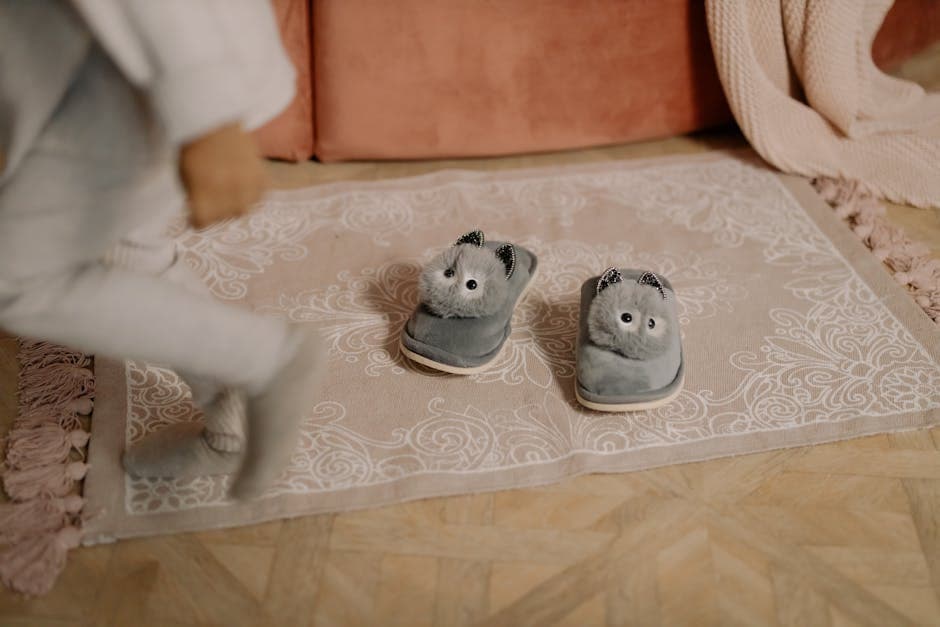
The Slippers Tradition
One of the most distinct cultural practices in Slovenia is the removal of outdoor shoes immediately upon entering a home. Most households provide a variety of guest slippers (copati). It is considered impolite to walk through a house in outdoor shoes, as cleanliness is a priority in Slovenian domestic life.
Gift Giving
If invited for a meal, it is customary to bring a small token of appreciation. Common gifts include:
- A bottle of quality wine for the host: approx. 15 EUR ($15.75 USD, Jan 2026).
- A bouquet of flowers for the hostess (avoid chrysanthemums, as they are reserved for funerals).
- Small boxes of chocolates or local delicacies: approx. 10 EUR ($10.50 USD, Jan 2026).
Punctuality
Punctuality is critical. Arriving more than 5 minutes late for a social engagement is considered disrespectful. If you are delayed, it is mandatory to inform the host as soon as possible via telephone or message.
Professional Conduct and Public Behavior
The Slovenian workspace is characterized by a balance between hierarchy and egalitarianism. Efficiency and adherence to agreed-upon schedules are the benchmarks of professional success.
Business Etiquette
- Dress Code: Professional attire is generally conservative. For initial meetings, dark suits for men and professional business wear for women are standard.
- Meetings: Business meetings are structured and usually begin with brief small talk about neutral topics like travel or nature before moving quickly to the agenda.
- Work-Life Balance: Slovenians value their free time, particularly outdoor activities. Business calls or emails after 5:00 PM or on weekends are generally discouraged unless urgent.
Public Norms and Nature
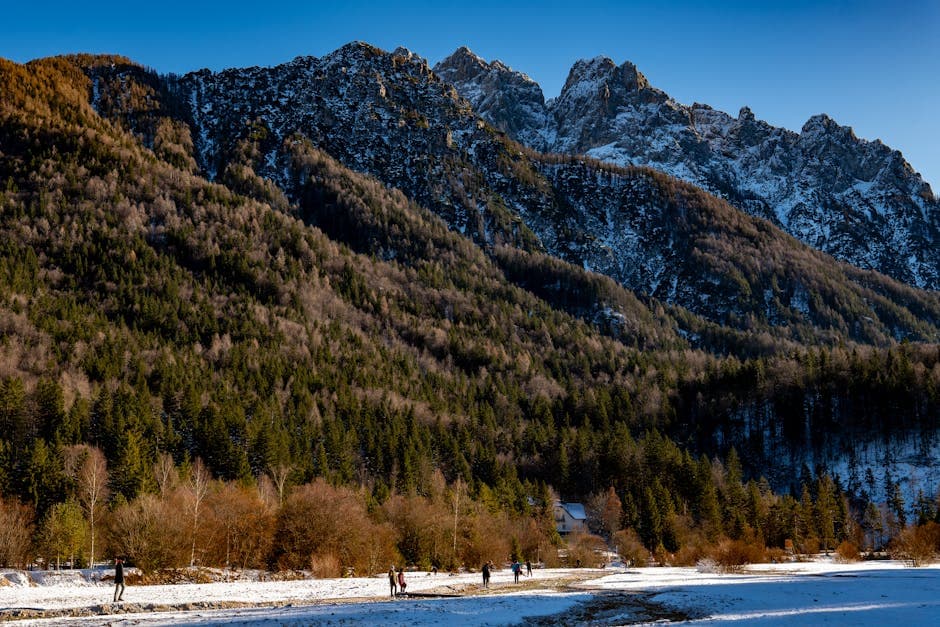
Slovenia is one of the greenest countries in the world, and environmental protection is a core cultural value. Littering is socially unacceptable and can lead to fines. In public transport and residential areas, maintaining a low noise level is expected. Engaging in outdoor activities like hiking is a national pastime; when meeting others on mountain trails, it is traditional to offer a friendly greeting (Srečno or Dober dan).
Dining and Tipping Customs
Dining is a slow, social affair. At the start of a meal, it is customary to say Dober tek (the equivalent of Bon appétit).
Tipping Rule (2025/2026): Tipping is not mandatory in Slovenia as service charges are technically included in the price. However, for good service in restaurants, it is common to leave a tip of approximately 10% or to round up the bill to the nearest convenient 5 or 10 EUR increment. In cafes and bars, rounding up the small change is sufficient.
For official information on cultural events and national traditions, visit the Official Slovenian Tourism Portal or the Ministry of Culture website.