
Overview of Student Housing in Slovenia
International students in Slovenia primarily choose between two types of accommodation: public or private student dormitories and private apartments or rooms. The availability and cost of housing vary significantly depending on the city, with Ljubljana being the most expensive and competitive market, followed by Maribor, Koper, and Nova Gorica.
For the 2025/2026 academic year, it is highly recommended that students begin their housing search at least three to four months before the semester starts. Public dormitory spots for foreign nationals are limited and often reserved for specific groups such as exchange students under the Erasmus+ program or recipients of government scholarships.
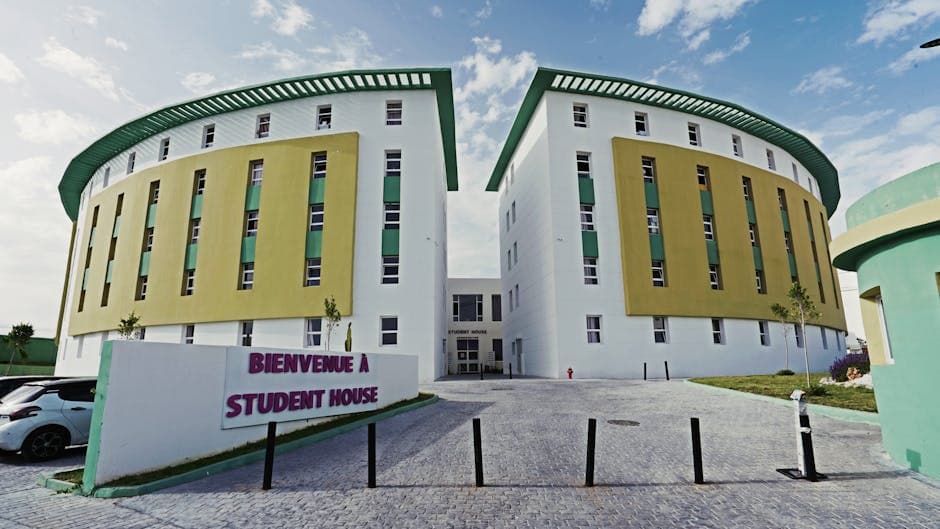
Public and Private Student Dormitories
Public dormitories (Študentski domovi) offer the most affordable housing option. However, eligibility is strictly regulated. Most public spots are reserved for Slovenian citizens and students from EU member states with permanent residency. Foreign students (non-EU) can typically access these dormitories only through specific bilateral agreements or exchange quotas.
Types of Dormitory Accommodation
- Public Dormitories: Managed by the local university (e.g., Študentski dom Ljubljana). Monthly costs range from 100 EUR ($109 USD, Jan 2026) to 200 EUR ($218 USD, Jan 2026).
- Private Student Dormitories: These are privately owned facilities specifically for students. They offer more availability but at higher prices, often between 250 EUR ($273 USD, Jan 2026) and 450 EUR ($491 USD, Jan 2026).
Application deadlines for public dorms usually occur in August for the winter semester. Non-EU students not covered by exchange programs should check the official call for applications (Razpis) published by the Ministry of Higher Education, Science, and Innovation.
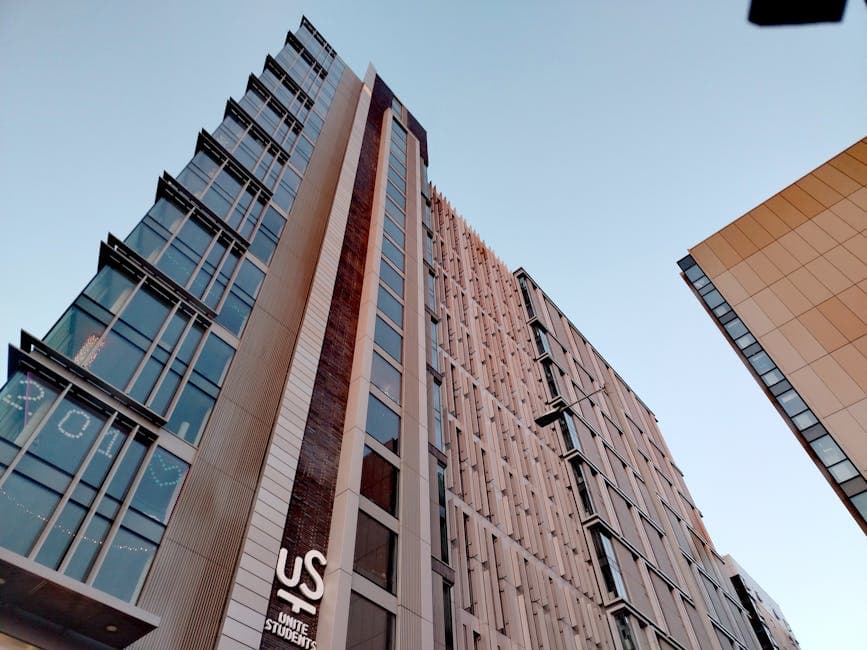
Private Housing Market
A majority of international degree-seeking students reside in private apartments. Options range from sharing a room with another student to renting a private studio. In Slovenia, it is common to distinguish between the base rent and the additional utility costs (stroški), which include electricity, heating, water, and internet.
Estimated Costs and Locations
- Shared Room (Ljubljana): 200 EUR to 350 EUR ($218 - $382 USD, Jan 2026) per person.
- Private Studio/One-bedroom (Ljubljana): 500 EUR to 800 EUR ($545 - $872 USD, Jan 2026).
- Regional Cities (Maribor/Celje): Prices are approximately 20-30% lower than in the capital.
Common platforms for searching include Nepremicnine.net and Bolha.com. Students should be cautious of listings that do not offer a formal rental contract, as this document is essential for administrative procedures.

Legal Obligations and Registration
Upon securing housing, all foreign nationals must comply with the Residence Registration Act. The requirements depend on whether the student is staying in a commercial accommodation (like a dorm or hostel) or a private rental.
Temporary Residence Registration
If staying in a private apartment, the student must register their temporary residence (prijava začasnega prebivališča) at the local Administrative Unit (Upravna enota) within 8 days of moving in or arriving in Slovenia. Requirements typically include:
- A valid identity document or passport.
- Proof of the right to reside at the address (e.g., a signed rental lease or written consent from the owner).
- A valid residence permit or certificate of registration of stay.
Note: In public student dormitories, the management usually handles the registration process automatically for the residents.
Failure to register can result in administrative fines and may affect the status of a student's residence permit. Always ensure the rental agreement explicitly states the owner allows the registration of a temporary address.