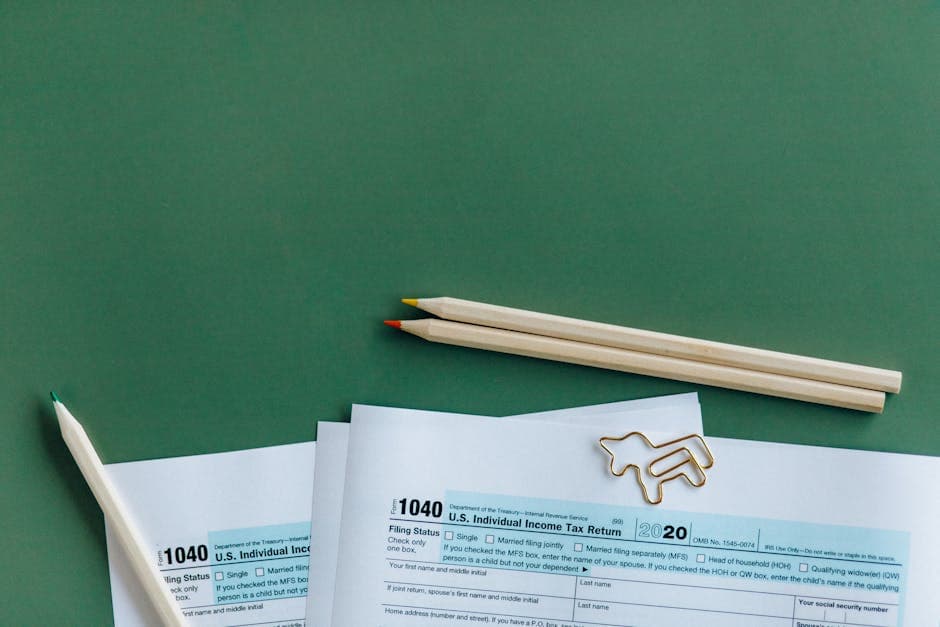
Identification and Taxation in Slovenia
For foreign nationals moving to Slovenia, establishing a legal identity within the national administrative system is a mandatory first step. This involves obtaining three distinct identifiers: the Biometric Residence Permit (for non-EU/EEA nationals) or Registration Certificate (for EU nationals), the Personal Identification Number (EMŠO), and the Slovenian Tax Number (davčna številka). These documents are essential for legal employment, opening a bank account, renting property, and accessing healthcare services.
National Identity and Residence Permits
Slovenia does not issue a specific "National ID card" to foreigners. Instead, your identity is verified through your valid passport and a residence document issued by the Administrative Unit (Upravna enota). For non-EU citizens, this takes the form of a biometric card that serves as both a residence permit and a secondary ID within the country. EU citizens receive a paper-based Registration Certificate, though they may also apply for a biometric residence card for easier identification.
- Non-EU Nationals: Must obtain a Biometric Residence Permit. The administrative fee for issuing the card is approximately 15.47 EUR ($16.24 USD, Jan 2026), in addition to the application fee for the permit itself, which is generally 102 EUR ($107.10 USD, Jan 2026).
- EU Nationals: Must register their residence if staying longer than 90 days. The certificate costs approximately 6 EUR ($6.30 USD, Jan 2026).
Further information regarding residence types can be found on the official Government of Slovenia Portal.
The Personal Identification Number (EMŠO)
The EMŠO (Enotna matična številka občana) is a 13-digit master citizen number used by Slovenian authorities for statistical, identification, and administrative purposes. It is required for social security, health insurance, and school enrollment. Unlike the tax number, you do not usually apply for an EMŠO separately; it is automatically assigned by the Administrative Unit during the process of registering your temporary or permanent residence.
The EMŠO is structured based on your date of birth, gender, and geographic region of registration. It is a permanent number that remains with you for life, even if you leave and later return to Slovenia.
When is the EMŠO Required?
- Enrolling in the national healthcare system (ZZZS).
- Signing an employment contract.
- Registering a vehicle in Slovenia.
- Opening a mobile phone contract.

The Slovenian Tax Number
The Slovenian Tax Number (davčna številka) is an 8-digit identifier assigned by the Financial Administration of the Republic of Slovenia (FURS). Every foreigner who has a taxable interest in Slovenia—such as receiving a salary, owning property, or opening a bank account—must obtain this number.
Unlike the residence permit, the tax number is issued free of charge. You can apply for it before you officially move to Slovenia or immediately upon arrival. The application is submitted using the DR-02 form (Application for Entry of an Individual in the Tax Register).
How to Apply for a Tax Number
Foreigners can apply for a tax number in person at any FURS office, by mail, or through an authorized representative. The following documentation is required:
- A completed DR-02 form.
- A valid passport or national ID card.
- Proof of a reason for the tax number (e.g., employment contract, intent to open a bank account, or proof of ownership).
The tax number is typically issued within 8 days of the application. For more details and to download forms, visit the official FURS website.
Note: For foreigners who are not residents but have a taxable interest (e.g., non-resident bank account holders), the process is identical, but the tax status remains "non-resident" for tax liability purposes until 183 days of residence is exceeded.
Practical Summary Table
- Residence Permit: Issued by Administrative Unit (UE); Cost: ~102 EUR ($107.10 USD, Jan 2026).
- EMŠO: Assigned automatically; Cost: Free.
- Tax Number: Issued by FURS; Cost: Free.