
Overview of Student Immigration Rules
International students planning to study in Slovenia must navigate specific immigration requirements based on their nationality and the duration of their academic program. For the 2025/2026 academic year, the Slovenian administrative system distinguishes primarily between citizens of the European Union (EU), European Economic Area (EEA), or Switzerland, and third-country nationals (non-EU citizens).
While EU students benefit from the right of free movement, non-EU students must obtain either a Long-stay Visa (Visa D) or a Temporary Residence Permit for the purpose of study. Compliance with these rules is mandatory to maintain legal status within the Schengen Area.

Entry Regimes by Nationality
EU, EEA, and Swiss Citizens
Students from these regions do not require a visa to enter Slovenia. However, for stays exceeding 90 days, they must apply for a Residence Registration Certificate. This must be done at the local Administrative Unit (Upravna enota) within three months of arrival. The administrative fee for this certificate is approximately 9.10 EUR ($9.55 USD, Jan 2026).
Third-Country Nationals (Non-EU)
Citizens of non-EU countries generally require an immigration permit to reside in Slovenia for the duration of their studies. Depending on the length and type of study (e.g., exchange vs. full degree), two main options exist:
- Long-stay Visa (Visa D): Typically issued for exchange students or those staying between 90 days and one year. It is processed faster but cannot be extended.
- Temporary Residence Permit (TRP) for Study: Mandatory for degree-seeking students and those staying longer than one year. It is renewable annually.
Mandatory Documentation for Non-EU Students
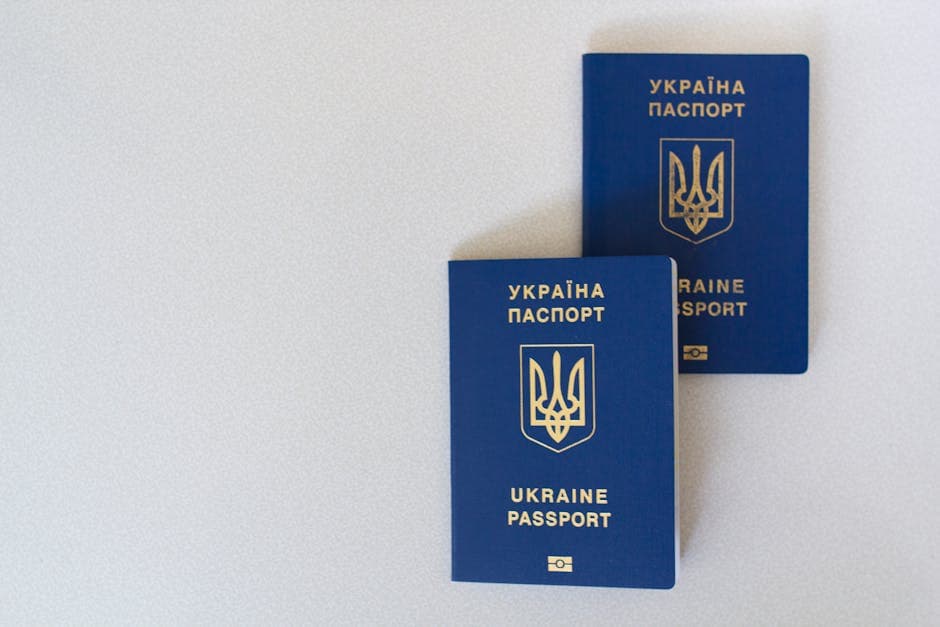
To apply for a student residence permit or Visa D, applicants must provide a comprehensive set of documents. All foreign documents must be translated into Slovenian by a certified translator and, in most cases, apostilled or legalized.
Required Checklist
- Proof of Enrollment: An official acceptance letter or certificate of admission from a Slovenian higher education institution.
- Valid Travel Document: A passport valid for at least three months beyond the intended period of stay.
- Police Clearance Certificate: A record of no criminal convictions from the applicant's home country, not older than three months.
- Health Insurance: Proof of health insurance covering urgent medical services in Slovenia with a minimum coverage of 30,000 EUR ($31,500 USD, Jan 2026).
- Biometric Photo: A recent color photograph meeting ICAO standards.
Financial Means and Subsistence
Applicants must prove they have sufficient financial resources to cover their living expenses. For 2025/2026, the required monthly amount is tied to the basic minimum income in Slovenia, currently approximately 485 EUR ($510 USD, Jan 2026). This can be proven through:
A written statement from parents/guardians, proof of scholarship, or personal bank statements showing the total amount for the duration of the academic year.

Application Procedure and Fees
The application for the first residence permit should ideally be submitted at a Slovenian diplomatic mission (Embassy or Consulate) abroad before entering the country. In some cases, students who can enter Slovenia visa-free may apply directly at an Administrative Unit within Slovenia.
Administrative Fees (2025/2026)
- Visa D Application Fee: 77 EUR ($81 USD, Jan 2026).
- Residence Permit (Abroad): 102 EUR ($107 USD, Jan 2026).
- Residence Permit (In-country): 50 EUR ($53 USD, Jan 2026).
- Residence Card Printing: 15.47 EUR ($16.25 USD, Jan 2026).
Processing Times
Visa D applications are usually processed within 15 days. However, Temporary Residence Permits can take between 30 and 90 days to be finalized. Students are advised to apply at least three to six months before their scheduled departure.
For official forms and the most current updates, students should consult the Information for Foreigners Portal or the Study in Slovenia official government project.