
Pet Relocation to Slovenia: Overview
Relocating to Slovenia with domestic animals—specifically dogs, cats, and ferrets—is governed by European Union Regulation (EU) No 576/2013. The process is designed to ensure the health and safety of both the animals and the public, primarily focusing on the prevention of rabies. Requirements differ significantly depending on whether the animal is arriving from an EU member state or a non-EU (third) country.
For the purpose of these regulations, "non-commercial movement" refers to the transport of five or fewer pets where no sale or transfer of ownership is intended. All procedures are overseen by the Administration for Food Safety, Veterinary Sector and Plant Protection (UVHVVR).

Mandatory Health and Identification Requirements
Before entering Slovenia, every pet must meet specific identification and health criteria. These steps must be completed in a precise chronological order to be legally valid.
1. Microchipping
The animal must be identified with a microchip (transponder) that complies with ISO Standard 11784 or Annex A to ISO Standard 11785. This must be performed before the rabies vaccination is administered. If the pet has a readable tattoo applied before July 3, 2011, it is also considered valid identification.
2. Rabies Vaccination
All pets over 12 weeks of age must be vaccinated against rabies. For the vaccination to be considered valid for travel:
- The animal must be microchipped prior to the vaccination.
- The vaccination must be administered by an authorized veterinarian.
- For primary vaccinations, a waiting period of at least 21 days must pass before the animal can enter Slovenia.
3. Rabies Antibody Titre Test
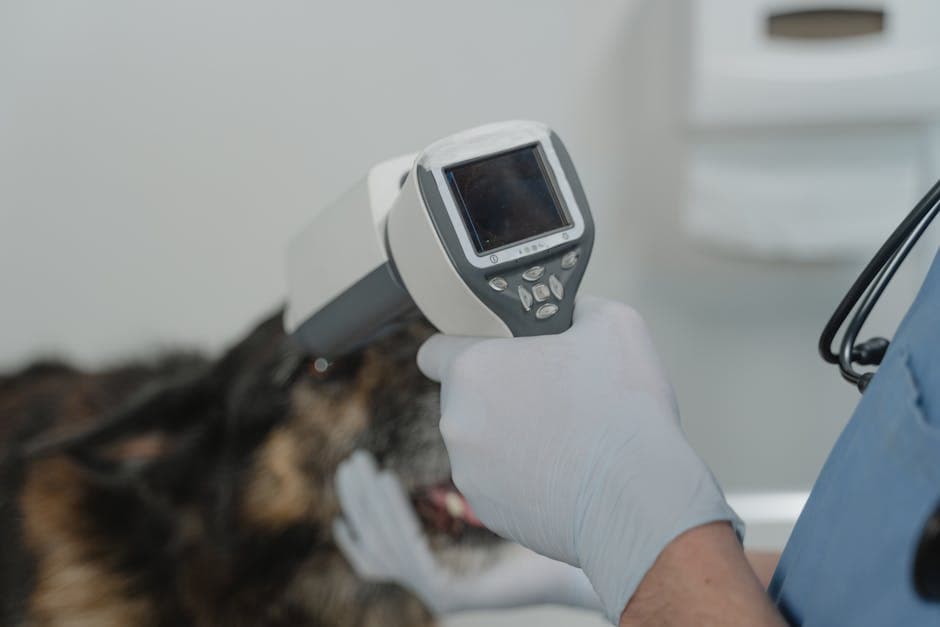
If you are arriving from a "high-risk" non-EU country (not listed in Annex II to Regulation (EU) No 577/2013), a rabies antibody titration test is mandatory. This test must be performed in an EU-approved laboratory at least 30 days after vaccination and three months before the date of travel.
Required Documentation and Entry Points
The documentation required depends on the pet's origin:
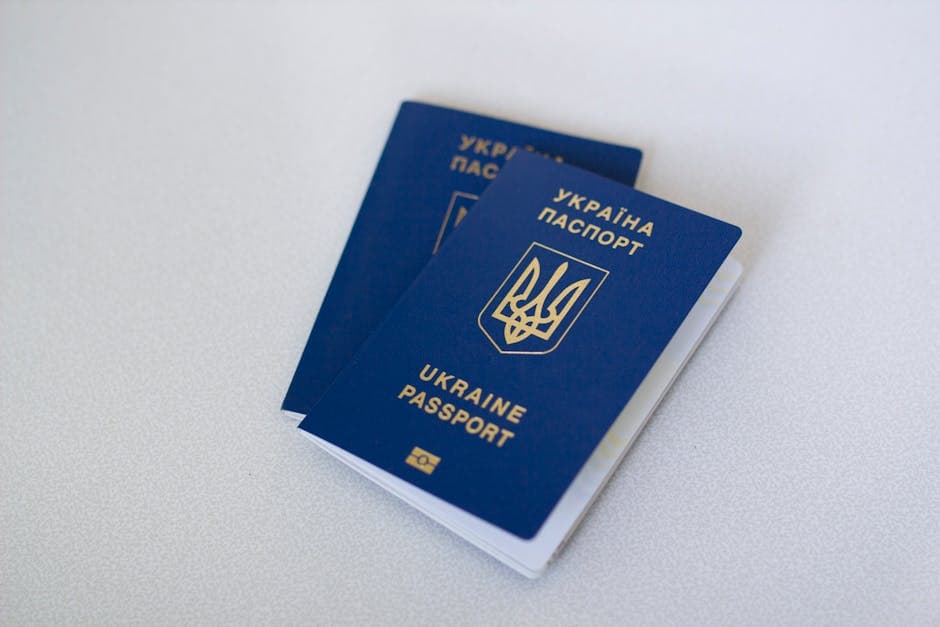
- EU Residents: A valid European Pet Passport is sufficient. This document contains the pet’s identification code and proof of valid vaccinations.
- Non-EU Residents: An Animal Health Certificate (Annex IV) is required. This must be issued by an official veterinarian in the country of departure within 10 days of arrival in the EU. Additionally, a written declaration from the owner confirming the non-commercial nature of the trip is required.
Pets arriving from non-EU countries must enter through specific Border Control Posts (BCP) or "Travelers' Points of Entry" for veterinary inspection. In Slovenia, the primary point of entry for air travel is Ljubljana Jože Pučnik Airport.
Local Registration and Costs in Slovenia
Once you have successfully moved to Slovenia, there are administrative steps to perform locally within the first few days of residency.
Central Register of Pets (CRH)
Owners who relocate their permanent residence to Slovenia must register their dog at a local veterinary clinic within 7 days of arrival. The clinic will enter the pet's details and the owner's Slovenian Tax Number into the Central Register of Pets. This is mandatory for dogs but optional for cats and ferrets unless they are being vaccinated locally.
Estimated Costs (2025/2026)
Prices in Slovenia are generally standardized but may vary slightly between private clinics:
- Rabies Vaccination: Approximately 40 EUR ($43 USD, Jan 2026).
- Microchipping: Approximately 30 EUR ($32 USD, Jan 2026).
- EU Pet Passport issuance: Approximately 25 EUR ($27 USD, Jan 2026).
- Entry into the Central Register: Approximately 20 EUR ($22 USD, Jan 2026).
Note: Annual rabies vaccination is mandatory in Slovenia for dogs. After three consecutive annual vaccinations, the frequency may decrease to every three years, depending on the specific vaccine manufacturer's protocol and the animal's history.