
City Overview
Kranj is located 20 kilometers north of Ljubljana and 7 kilometers from the Ljubljana Jože Pučnik Airport (LJU). The city is characterized by its strategic position at the confluence of the Sava and Kokra rivers. As of 2025, it remains a primary center for the Slovenian electronics and rubber industries. The historic center is protected as a cultural monument, featuring architecture from the Gothic, Renaissance, and Baroque periods.

Cost of Living and Housing
The cost of living in Kranj is approximately 15% to 20% lower than in Ljubljana. According to 2025 market data from the Statistical Office of the Republic of Slovenia, rental prices for a one-bedroom apartment in the city center average 650 EUR per month, excluding utilities. Utilities for an 85-square-meter apartment typically range from 180 EUR to 250 EUR depending on the season. Grocery costs align with national averages, while local services and dining are priced lower than in the capital.
Neighborhood Profiles
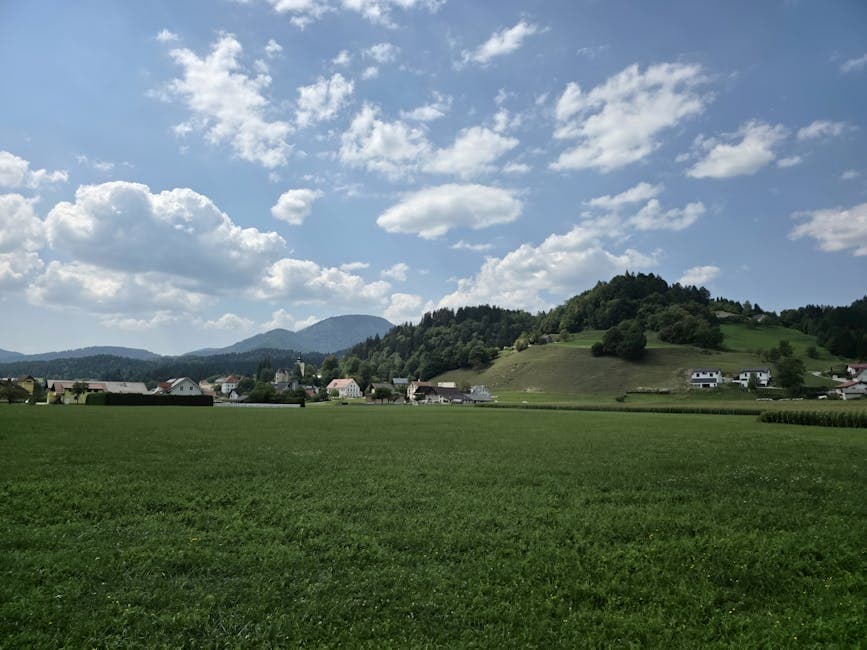
Kranj is divided into several distinct districts, each serving different demographic needs:
- Old Town (Center): High density of historic buildings and pedestrian zones. Housing is primarily older apartments with varying levels of renovation.
- Planina: The largest residential district, characterized by high-rise apartment blocks built in the 1970s and 1980s. It offers the highest concentration of retail services and schools.
- Stražišče: A suburban area located on the western outskirts. It features detached single-family homes and a quieter environment favored by families.
- Kokra: Residential areas located along the canyon, offering proximity to nature trails while remaining within walking distance of the administrative center.
Transportation and Connectivity
Kranj serves as a transit node for the Gorenjska region. The Kranj railway station provides hourly connections to Ljubljana, with travel times ranging from 25 to 35 minutes. International rail links connect the city to Villach and Salzburg in Austria. Local bus transport is managed by Arriva Slovenia, providing comprehensive coverage across the municipality. The city's proximity to the A1 motorway facilitates road access to the Austrian border (Karawanks Tunnel) and the Adriatic coast.
Employment and Education
The local economy is driven by manufacturing, particularly in the sectors of electronics (Iskra), rubber manufacturing (Sava/Goodyear), and telecommunications. Kranj is also an educational center, hosting the Faculty of Organizational Sciences, which is part of the University of Maribor. For international families, the British International School of Ljubljana is accessible via a 25-minute commute, as there are currently no full-curriculum international schools located directly within Kranj.
Residency and Legal Requirements
The process for obtaining residency in Kranj depends on individual situation. EU citizens must register their residence at the local Administrative Unit (Upravna Enota Kranj) if staying longer than 90 days. Non-EU citizens require a Single Residence and Work Permit or a Long-Stay Visa (D). Detailed requirements regarding financial means and health insurance are regulated by the Ministry of the Interior.