
Urban Vibe and Layout
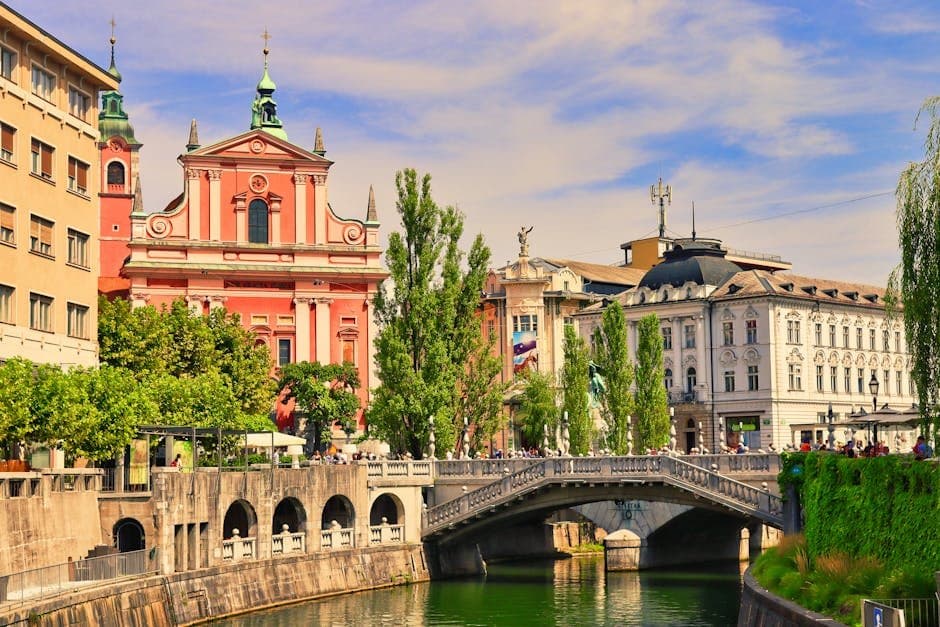
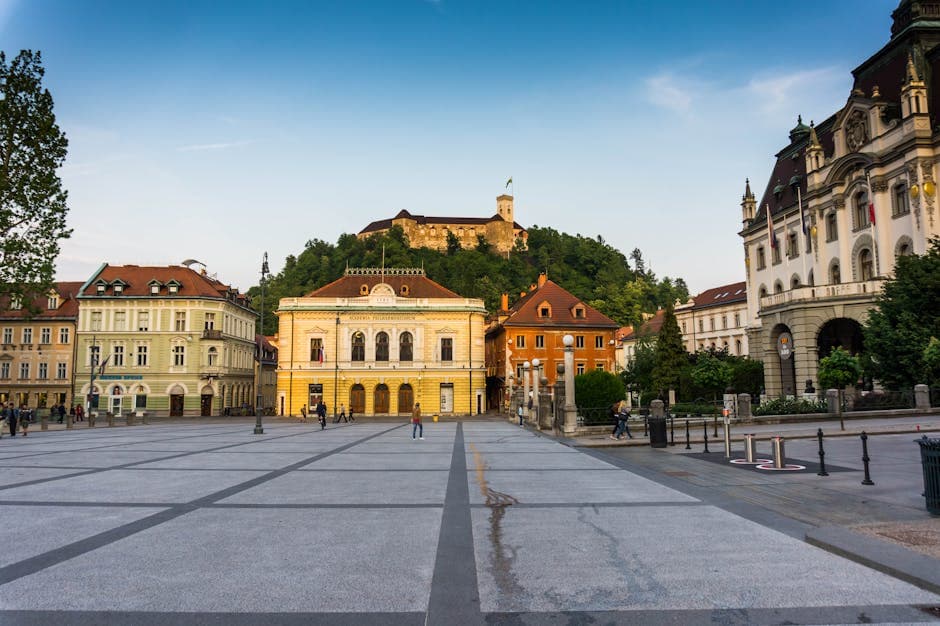
Ljubljana is characterized by its car-free historic center and the Ljubljanica River, which bisects the city. The urban planning emphasizes sustainability, having been awarded the European Green Capital title. The city is manageable on foot, with most administrative and cultural institutions located within a 2-kilometer radius of the Prešeren Square. The atmosphere is functional and quiet, with a focus on outdoor public spaces and structured social environments.
Neighborhood Profiles
Ljubljana is divided into several districts, each serving different demographic needs:
Center
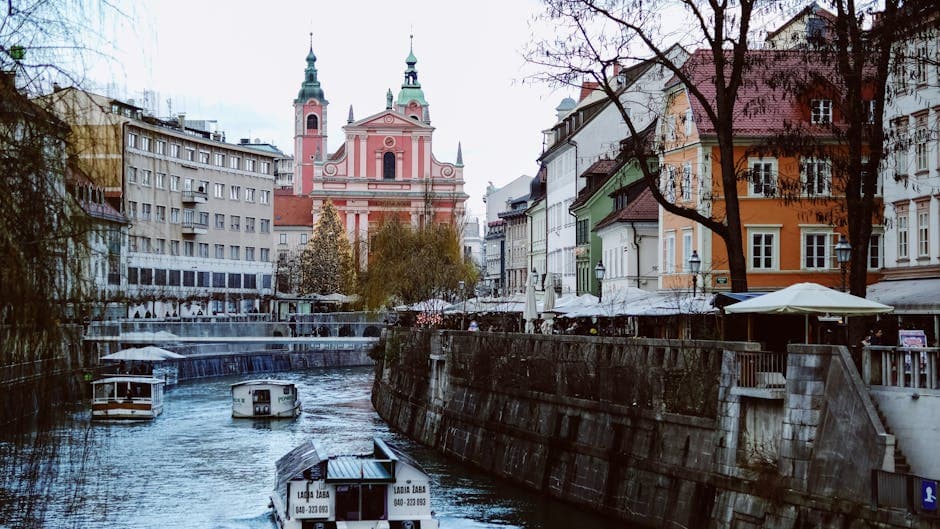
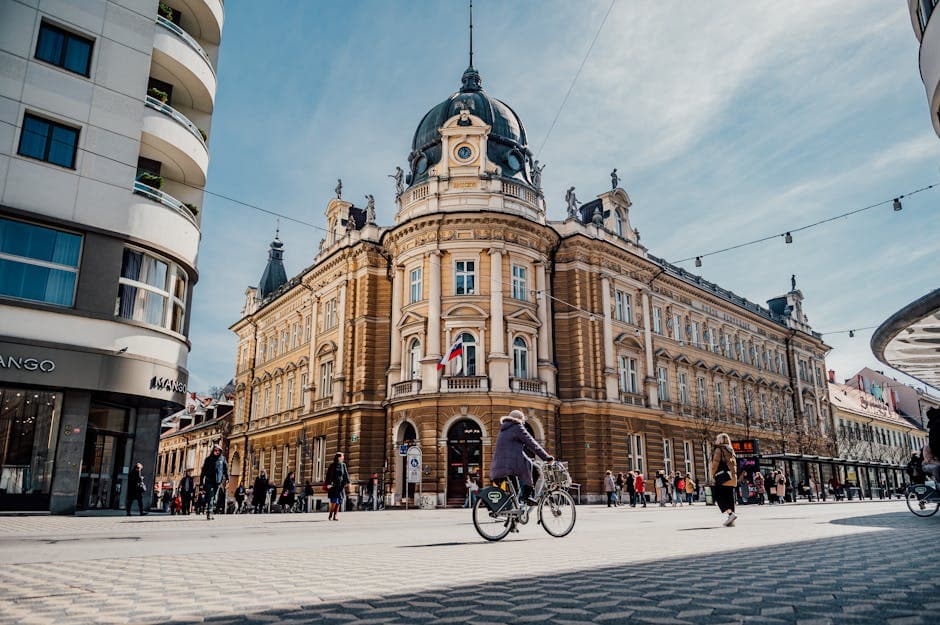
The historic core is primarily pedestrianized. It contains the highest concentration of retail, dining, and government offices. Residential availability is limited and consists mostly of renovated historic buildings with higher price points.
Bežigrad
Located north of the center, this district is a mix of residential blocks and business premises. It is home to many university faculties and the primary stadium, making it popular among students and professionals.
Šiška
A high-density residential area northwest of the center. It offers more modern apartment complexes and proximity to Tivoli Park. It is well-connected by major transit arteries.
Trnovo and Vič
These southern districts are known for a mix of older villas and newer low-rise apartment buildings. They offer a quieter environment while remaining within walking distance of the city center.
Transportation and Infrastructure
The city's public transport is managed by Ljubljana Passenger Transport (LPP). Residents use the "Urbana" card, a unified electronic payment system for buses, parking, and the city library. The bus network is radial, connecting suburbs to the central station.
Cycling is a primary mode of transport. The BicikeLJ bike-sharing system provides stations every 300-500 meters in the wider center area. For regional travel, the Ljubljana Central Station provides train and bus links to neighboring countries like Austria, Italy, and Croatia.
Cost of Living
As of 2025, the cost of living in Ljubljana remains the highest in Slovenia but moderate compared to Northern European capitals. A monthly pass for public transport costs approximately 37 EUR. Utilities for an 85m² apartment average between 200 EUR and 300 EUR depending on the season, with heating being a significant factor in winter. Groceries and consumer goods are priced in line with the EU average.
Administrative Requirements
Relocation requirements depend on the individual's nationality:
- EU/EEA Citizens: May reside in Slovenia for up to 90 days without registration. For longer stays, they must apply for a residence registration certificate at the Ljubljana Administrative Unit (Upravna Enota).
- Non-EU Citizens: Require a Single Work and Residence Permit. This process typically involves securing a job offer first, as the employer must prove no suitable local candidates are available. Detailed information is available via the Government Portal for Foreigners.
- Health Insurance: Mandatory for all residents. It consists of compulsory insurance and often a supplemental private plan to cover full costs of services.