
Moving to Slovenia: Pre-move Checklist
Relocating to the Republic of Slovenia involves several administrative layers that vary significantly based on your citizenship and the purpose of your stay. Preparation begins several months before departure, particularly regarding the authentication of legal documents and the securement of residency permits. This guide outlines the essential steps required to ensure a compliant transition into the Slovenian system.

Essential Legal Documentation
Before leaving your home country, you must organize official documents. Slovenia requires that most foreign public documents be translated into Slovenian by a certified judicial translator and, depending on the issuing country, legalized with an Apostille stamp.
Identity and Civil Status
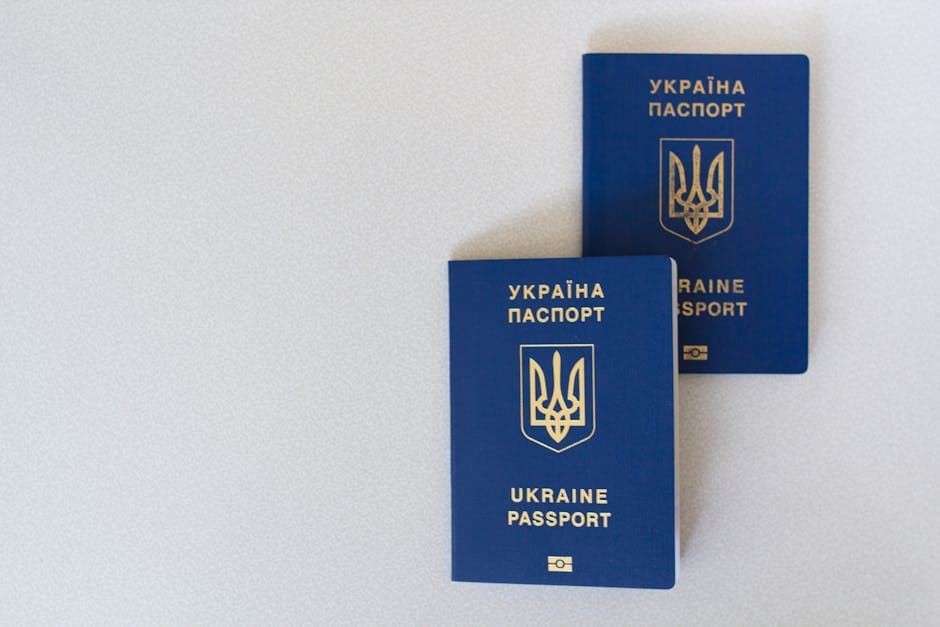
- Passport: Ensure your passport is valid for at least three to six months beyond your intended stay.
- Birth and Marriage Certificates: Required for family reunification or long-term residency. These must typically be no older than six months at the time of application.
- Police Clearance Certificate: Non-EU citizens must provide a certificate of no criminal record from their home country. This document is a core requirement for the Single Residence and Work Permit.
Note: The administrative fee for a certificate of no criminal record in Slovenia is approximately 6 EUR ($6.30 USD, Jan 2026), though costs in your home country will vary.
For detailed information on document legalization, visit the Official Portal of the Government of Slovenia.
Health Insurance and Medical Readiness
Access to the Slovenian healthcare system is mandatory for all residents. The requirements differ based on your country of origin and employment status.
Insurance Requirements by Status
- EU/EEA Citizens: You should obtain the European Health Insurance Card (EHIC) for temporary stays. For permanent relocation, you will transition to the Slovenian Health Insurance Institute (ZZZS).
- Non-EU Citizens: You must secure private travel health insurance that covers at least 30,000 EUR ($31,500 USD, Jan 2026) in emergency medical expenses to apply for an initial visa or permit.
- Medical Records: It is recommended to bring copies of vaccination records and prescriptions for chronic medications, translated into English or Slovenian.
Financial and Administrative Steps
Slovenia requires proof of sufficient financial means to support your stay without relying on the social security system. The minimum monthly income required is generally tied to the Gross Minimum Income in Slovenia.
Slovenian Tax ID and Banking
While some tasks can only be finished upon arrival, you can prepare the following:
- Slovenian Tax ID (Davčna številka): This is required for opening a bank account, renting a property, or signing an employment contract. You can apply for this at a Financial Office (FURS) via mail or in person. There is no fee for the initial issuance of a Tax ID.
- Proof of Funds: Prepare bank statements for the last 3-6 months. If you are a student, a notarized statement from parents or a scholarship certificate is required.
- Accommodation: You must have a verified address to register your residence. If you haven't secured a long-term lease, a temporary booking in a hotel or hostel that allows "temporary residence registration" is necessary.

Exceptions and Special Cases
Requirements may fluctuate based on specific bilateral agreements or professional categories:
- Digital Nomads: As of 2026, Slovenia does not have a specific "Digital Nomad Visa" like some neighboring countries; remote workers typically apply under the "unremunerated activities" or self-employment categories, which have higher scrutiny regarding local health insurance.
- Researchers and Students: Often benefit from simplified procedures through hosting agreements with accredited Slovenian research organizations or universities.
For the most current fee schedules and application forms, consult the Information for Foreigners portal maintained by the Ministry of Interior.