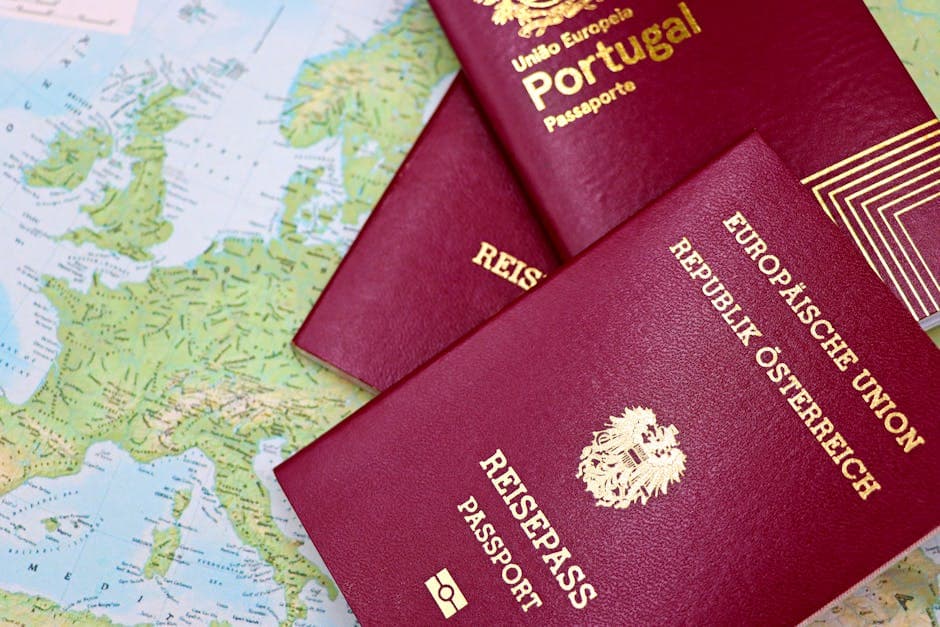
Navigating Entry to Slovenia
Slovenia is part of the Schengen Area and the European Union, which defines its entry requirements based on your nationality and the intended duration of your stay. For those planning a move, the system distinguishes clearly between European Union (EU/EEA) citizens and "third-country nationals" (non-EU citizens).
EU, EEA, and Swiss citizens enjoy the right of free movement. They can enter Slovenia with a valid identity card or passport. If they intend to stay longer than 90 days, they must register their residence at a local Administrative Unit (Upravna enota) before the end of their initial three-month stay.
Short-Stay Options: Visa C and ETIAS
For non-EU citizens, short-term visits (up to 90 days within any 180-day period) are governed by the Uniform Schengen Visa (Type C) or visa-waiver agreements.
- Schengen Visa (Type C): Required for citizens of countries that do not have a visa-waiver agreement with the EU. This visa covers tourism, business meetings, and short study courses. The application fee is 90 EUR ($95 USD, Jan 2026).
- ETIAS (European Travel Information and Authorisation System): Starting in mid-to-late 2026, travelers from visa-exempt countries (such as the USA, UK, Canada, and Australia) will be required to obtain an ETIAS authorization before flying. The fee is set at 7 EUR ($8 USD, Jan 2026).
Note: Short-stay visitors not staying in registered tourist accommodation (hotels or hostels) must register their presence with the local police station within 72 hours of arrival.
Long-Stay National Visa (Type D)
The Type D Visa is a national visa that allows entry and residence for more than 90 days but less than one year. It is typically issued for specific purposes where a full residence permit might not yet be applicable or as a precursor to one.
Common grounds for a Type D visa include:
- Family reunification with certain categories of residents.
- Educational exchanges or specialized training.
- Professional athletes and cultural workers.
- Medical treatments.
The administrative fee for a Type D visa is 77 EUR ($81 USD, Jan 2026). This visa cannot be extended; if you plan to stay longer, you must apply for a residence permit before the visa expires.

Residence Permits for Long-Term Relocation
For those moving to Slovenia for work, study, or long-term living, a Temporary Residence Permit is required. Unlike visas, these permits are usually issued as biometric cards.
The Single Permit for Work and Residence
The most common route for non-EU professionals is the "Single Permit," which combines work authorization and residency. This requires a contract with a Slovenian employer and approval from the Employment Service of Slovenia.
Study and Research
Students enrolled in accredited higher education institutions can apply for a student residence permit. Applicants must provide proof of enrollment and show sufficient monthly funds, currently estimated at approximately 494.09 EUR ($519 USD, Jan 2026).
Digital Nomad Visa
Introduced in late 2025, the Digital Nomad residence permit allows remote workers employed by companies outside Slovenia to live in the country for up to one year. This permit does not grant access to the local labor market and requires a higher income threshold, often double the average net salary in Slovenia.
Application Requirements and Costs
Most first-time residence permit applications must be submitted at a Slovenian diplomatic mission (embassy or consulate) before entering the country. Only specific categories or nationals of certain visa-free countries may apply directly at an Administrative Unit within Slovenia.
Standard Document Checklist:
- Passport: Valid at least 3 months beyond the intended stay.
- Health Insurance: Minimum coverage of 30,000 EUR ($31,500 USD, Jan 2026).
- Criminal Record: A certificate from your home country, translated into Slovenian and apostilled if necessary.
- Proof of Funds: Bank statements or scholarship certificates proving you can support yourself.
- Biometric Photo: Meeting ICAO standards (35x45mm).
The total cost for a first residence permit, including administrative fees and the card issuance, is approximately 102 EUR ($107 USD, Jan 2026). For official updates and forms, visit the Government of Slovenia Portal or the specialized Information for Foreigners website.