
The Slovene Language
Slovene (Slovenščina) is the sole official language of the Republic of Slovenia, except in specific municipalities along the Italian and Hungarian borders where Italian and Hungarian also hold official status. Slovene is a South Slavic language and is unique for its use of the dual grammatical number, which is applied when referring to exactly two people or objects.
While English proficiency is high among the younger population and in urban business environments, knowledge of the Slovene language is a critical component for long-term integration and is often a legal requirement for certain types of residence permits. In 2025, the Slovenian government continues to emphasize language proficiency as a pillar of social and professional inclusion for foreign nationals.
Language Learning and Integration Courses
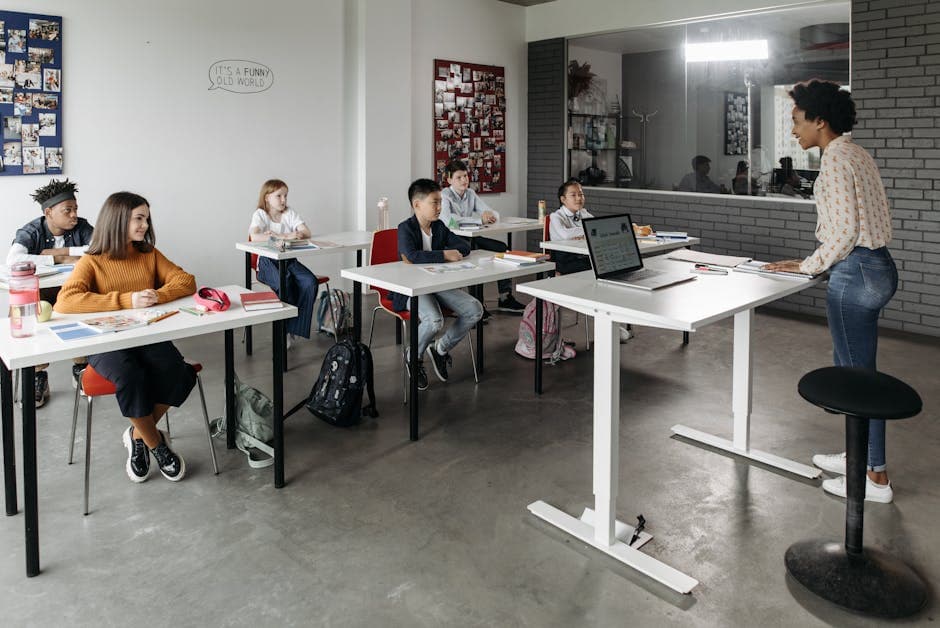
The Slovenian government provides support for non-EU citizens through the "Initial Integration of Immigrants" (ZIP) program. This program is designed to help third-country nationals learn the basics of the language and understand Slovenian society.
ZIP Program Eligibility
Eligibility for subsidized or free language courses depends on your residency status and the duration of your permit. Generally, the following groups are eligible:
- Third-country nationals with a permanent residence permit.
- Third-country nationals with a temporary residence permit issued for at least one year.
- Family members of Slovenian or EU citizens residing in Slovenia under specific conditions.
The courses typically range from 60 to 180 hours. While the tuition is often subsidized by the Ministry of the Interior, participants may be required to pay a symbolic administrative fee of approximately 22.60 EUR ($24.15 USD, Jan 2026) for the certificate of attendance.
Language Exams and Costs
For those seeking permanent residency or citizenship, passing a standardized Slovene language exam is mandatory. These exams follow the Common European Framework of Reference for Languages (CEFR). The first attempt at the basic level exam (A1) may be subsidized for those who have completed the ZIP program.
- Standard Exam Fee: Approximately 155 EUR ($165.75 USD, Jan 2026) for private applicants.
- Providers: The official provider is the Center for Slovene as a Second and Foreign Language at the University of Ljubljana.
Social Integration and Cultural Norms
Integration in Slovenia involves understanding local customs and the high value placed on work-life balance and environmental preservation. The following points summarize key social expectations for residents:
- Punctuality: Being on time for both professional meetings and social gatherings is highly regarded.
- Outdoor Culture: Slovenia has a strong culture of hiking, skiing, and outdoor sports. Socializing often revolves around active leisure.
- Greetings: A firm handshake and direct eye contact are standard. Use formal forms of address (Gospod for Mr., Gospa for Ms.) until invited to use first names.
- Environment: Slovenia is one of the world's most sustainable countries. Strict waste sorting and recycling are expected in all households.
Note: Integration requirements can change based on legislative updates. It is recommended to check the official InfoTujci portal for the most current regulations regarding residency and integration programs.
Administrative Support
Most integration procedures are handled through your local Administrative Unit (Upravna enota). When applying for language course vouchers, you must visit the unit where you have registered your residence. The availability of courses depends on the current public tenders and the number of applicants in your specific municipality.