
Overview of Utilities in Slovenia
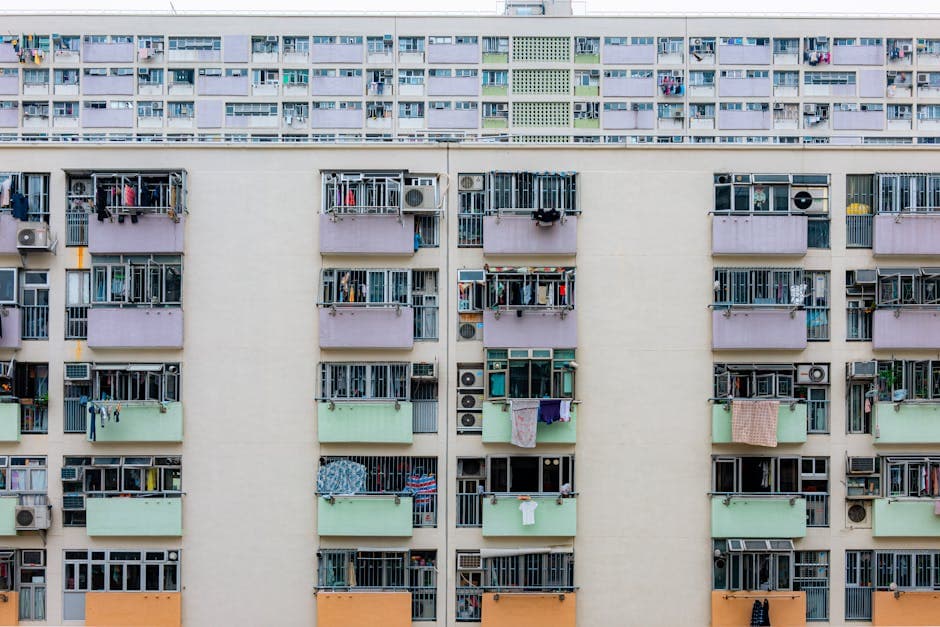
Managing utility services in Slovenia is a structured process that depends largely on your housing arrangement. In multi-unit residential buildings (blocks of flats), most communal costs are handled by a building manager known as an upravnik. For individual houses or specific services like electricity and telecommunications, tenants or owners must establish direct contracts with service providers. All utility prices are regulated or market-driven, and standard billing occurs on a monthly basis.
Basic Household Utilities
Electricity
The electricity market in Slovenia is liberalized, meaning consumers can choose their provider. Major players include GEN-I, Petrol, and Elektro Energija. As of late 2025, the average household electricity price is approximately 0.215 EUR ($0.23 USD, Jan 2026) per kWh. For a standard two-person apartment, monthly electricity bills typically range from 45 EUR to 80 EUR ($48 to $85 USD, Jan 2026).
Water and Waste Management
Water supply and waste collection are managed by municipal companies (Komunala) specific to each region. In Ljubljana, VOKA Snaga provides these services. Waste management involves strict mandatory sorting into packaging, paper, organic waste, and residual waste. Combined costs for water and waste management for a single person average between 25 EUR and 45 EUR ($27 to $48 USD, Jan 2026) per month.
Heating and Gas
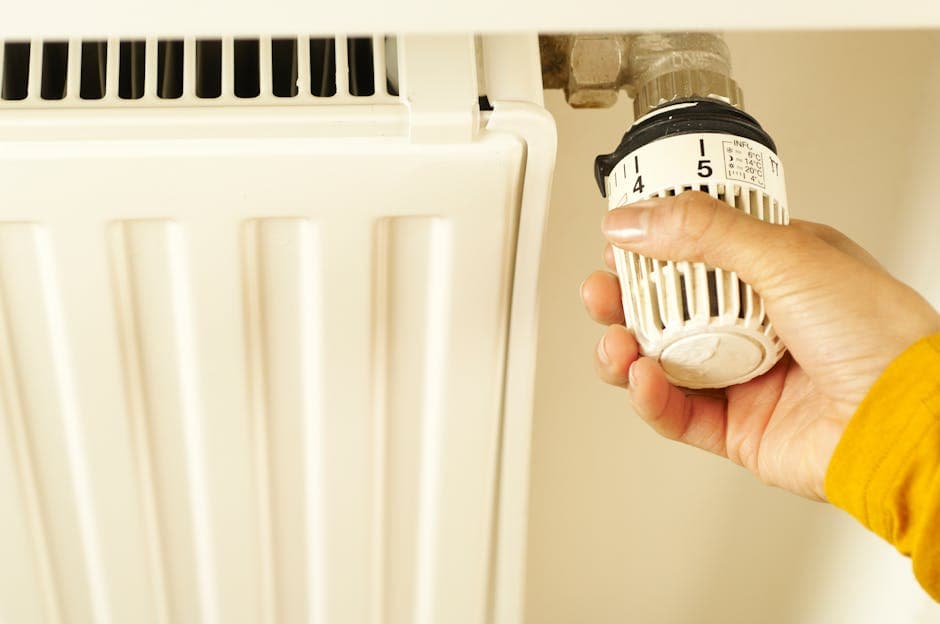
Heating systems in Slovenia vary by geography and building type. Urban centers typically utilize district heating (toplovod), while other areas may use natural gas, biomass, or electricity-based heat pumps.
- District Heating: In Ljubljana, district heating is the most common system. The average annual heating cost for a medium-sized apartment is approximately 664 EUR ($704 USD, Jan 2026). During winter, monthly costs can reach 100 EUR ($106 USD, Jan 2026) or more, while summer costs remain minimal.
- Natural Gas: Natural gas prices for households averaged around 0.087 EUR ($0.09 USD, Jan 2026) per kWh in 2025.
Internet and Telecommunications
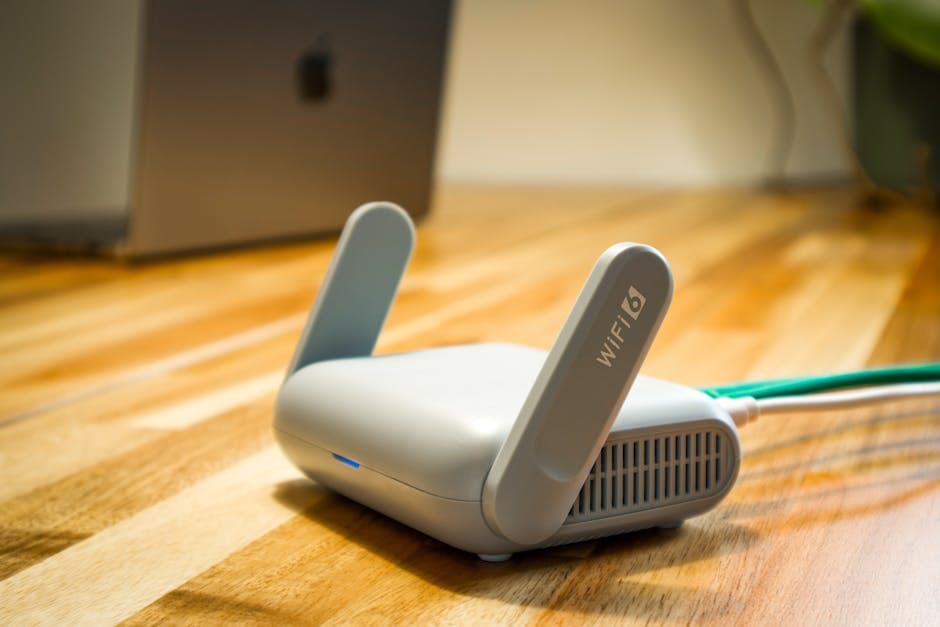
Slovenia offers high fiber-optic (FTTH) and 5G network coverage. Major providers include Telekom Slovenije, A1 Slovenia, Telemach, and T-2. Contracts are generally 24-month commitments, but monthly options exist.
Standard broadband packages (speeds of 100 Mbps or higher) start at approximately 35 EUR ($37 USD, Jan 2026) per month. Mobile phone plans with unlimited domestic calls and high data allowances range from 12 EUR to 25 EUR ($13 to $27 USD, Jan 2026).
Administrative Setup and Payments
To register for utilities, you must provide a valid ID, your Slovenian tax number (davčna številka), and your lease agreement or proof of ownership. Most providers allow for digital registration or setup via physical service points in major cities.
Billing is almost exclusively conducted via the UPN (Universal Payment Order) form. Residents are strongly encouraged to set up SEPA direct debits (direktna obremenitev) to ensure timely payments. Failure to pay on time results in standardized late fees and, eventually, service disconnection. If you live in an apartment block, the upravnik will send a single monthly invoice covering communal costs such as hallway lighting, maintenance, and shared heating or water.
Note: Utility costs are generally higher in the capital, Ljubljana, compared to rural areas or smaller towns like Murska Sobota.