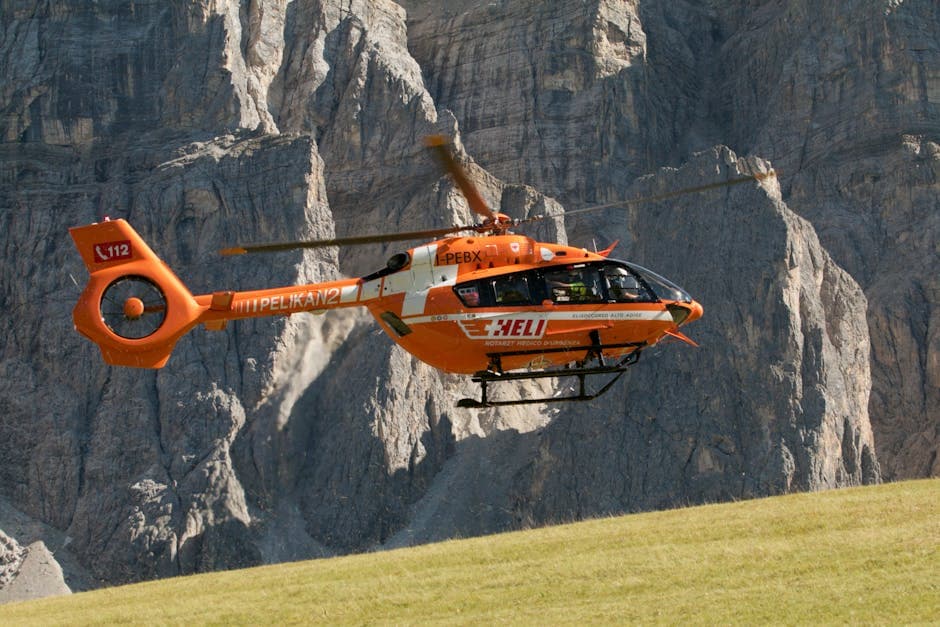
Safety Overview in Slovenia
Slovenia is consistently ranked as one of the safest countries in the world, regularly appearing in the top ten of the Global Peace Index. For foreign residents and visitors, the country offers a high level of personal security and low crime rates. However, understanding the administrative structure of emergency services is essential for navigating the system effectively.
The safety infrastructure is divided into two primary dispatch systems: the universal European emergency number and the national police-specific line. Most operators in emergency centers speak English, particularly in major cities and tourist areas like Ljubljana, Maribor, and Bled.
Emergency Contact Numbers
There are two primary numbers to remember in Slovenia. These calls are free of charge from any landline or mobile device, even without a SIM card inserted.
- 112 – Universal Emergency Number: Used for medical emergencies, fire services, mountain rescue, cave rescue, and civil protection. If you are unsure which number to call, 112 is the safest choice as they can redirect you to the police.
- 113 – Police Emergency: Used specifically for reporting crimes, traffic accidents, or public order violations requiring immediate police intervention.
- 1987 – Roadside Assistance (AMZS): The national number for vehicle breakdowns, towing, and technical road assistance.
Note: When calling 112 or 113, be prepared to state your name, location, the nature of the emergency, and if anyone is injured. Stay on the line until the operator instructs you to hang up.
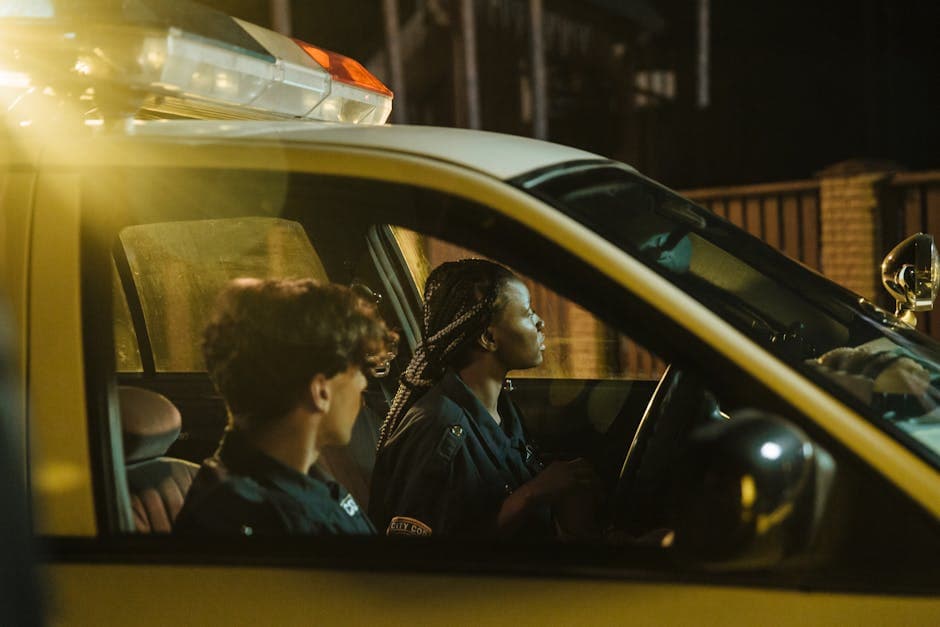
Police and Public Security
The Slovenian Police (Policija) operate at national, regional, and local levels. For non-emergency matters, such as reporting a lost passport or filing a non-urgent theft report, you should visit the nearest Policijska postaja (Police Station) in person.
Foreigners residing in Slovenia are required to report their place of residence to the local administrative unit or police within three days of arrival if they are not staying in registered tourist accommodation. Failure to comply can result in administrative fines ranging from 200 EUR ($210 USD, Jan 2026) to 600 EUR ($630 USD, Jan 2026), depending on the specific violation.
Anonymous Reporting
If you wish to report a crime without revealing your identity, you can call the anonymous police hotline at 080 1200. This line is specifically for providing information about criminal activity where an immediate patrol dispatch is not required.
Medical Emergencies and Healthcare Costs
Emergency medical care (Nujna medicinska pomoč) is provided through a network of Urgentni centri (Emergency Centers) located at major hospitals. These units are open 24/7 for life-threatening conditions or acute illnesses.
For foreign nationals, the cost of emergency care depends on their insurance status:
- EU/EEA Citizens: Holders of a valid European Health Insurance Card (EHIC) receive emergency treatment under the same conditions as locals, which is generally free at the point of service for urgent cases.
- Insured Residents: Expats employed in Slovenia or those with permanent residency pay a compulsory health insurance contribution of 35 EUR ($36.75 USD, Jan 2026) per month as of 2024/2025 regulations. This covers emergency services in full.
- Uninsured/Non-EU Visitors: If you do not have valid insurance, you will be required to pay for treatment. A standard emergency room consultation can start at approximately 60 EUR ($63 USD, Jan 2026), excluding diagnostic tests, medication, or hospitalization.
Public Warning and Alert Systems
Slovenia maintains a sophisticated public alarm system (SI-ALARM) to notify the population of natural disasters, such as floods or industrial accidents. This system uses both physical sirens and digital cell broadcasts.
Siren Testing
Nationwide testing of the siren system occurs on the first Saturday of every month at 12:00 PM. The test consists of a steady 30-second tone. If you hear a fluctuating tone at any other time, it indicates an actual emergency; you should tune into national radio or television (RTV Slovenija) for instructions.
Mobile Alerts (SI-ALERT)
In 2025, Slovenia fully implemented the SI-ALERT system, which sends emergency push notifications to all mobile phones within a specific geographic area. These messages appear in both Slovenian and English and are accompanied by a distinct alarm sound, even if the phone is on silent mode.
Mountain and Outdoor Safety
Given Slovenia’s alpine terrain, mountain safety is a critical component of public service. The Mountain Rescue Association (Gorska reševalna zveza Slovenije - GRZS) handles all rescues in difficult terrain. Rescues are coordinated through the 112 emergency line.
While basic rescue is often covered by the state, the use of a helicopter for extraction can be extremely expensive if the accident is deemed to be a result of gross negligence or lack of proper equipment. Foreign hikers are strongly advised to have specialized alpine insurance to cover potential search and rescue costs, which can exceed 5,000 EUR ($5,250 USD, Jan 2026).