
Higher Education in Slovenia: Overview
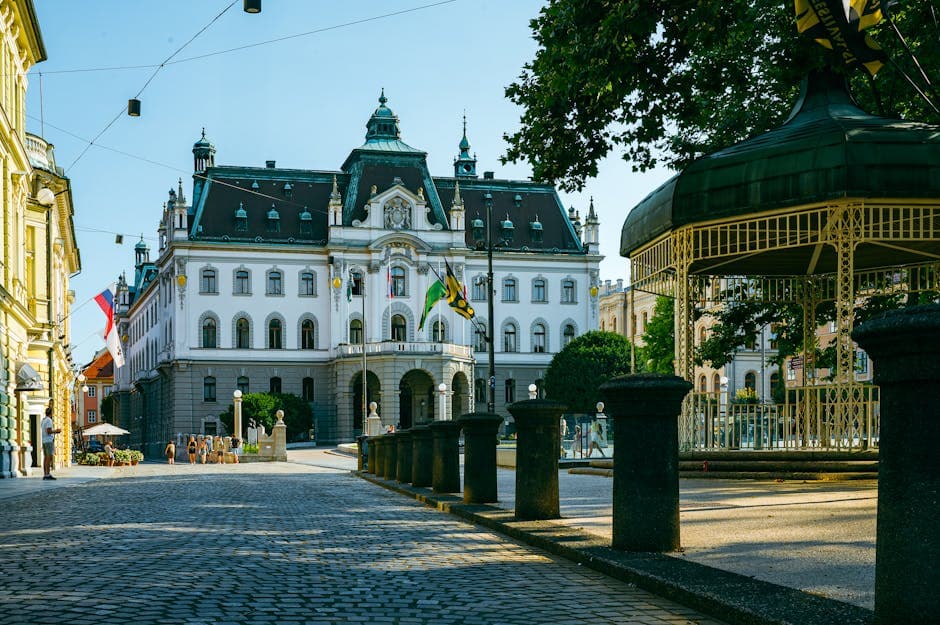
Slovenia offers a diverse range of higher education options tailored to international students, characterized by the Bologna Process standards. This system ensures that degrees obtained in Slovenia are recognized across the European Higher Education Area (EHEA). The academic year typically begins in October and ends in September, divided into two semesters.
Foreign nationals can choose between three main types of higher education institutions:
- Universities (Univerze): Large public or private institutions conducting research and offering programs across all three cycles.
- Faculties and Art Academies: Often part of a university, focusing on specific academic disciplines.
- Independent Higher Education Institutions (Samostojni visokošolski zavodi): Often private institutions focusing on professional higher education programs.
Types of Study Programs
The Slovenian education system is structured into three distinct cycles, allowing students to progress from undergraduate to doctoral levels. Each cycle carries a specific number of ECTS (European Credit Transfer and Accumulation System) credits.
First Cycle: Undergraduate Degrees
Undergraduate studies are the most common entry point for international students. There are two paths available at this level:
- Academic Bachelor Programs: Focus on theoretical knowledge and research. These usually last 3 years (180 ECTS).
- Professional Bachelor Programs: Emphasize practical application and professional skills, often including a mandatory internship. These usually last 3 years (180 ECTS).
Second Cycle: Master's Degrees
Master's programs are designed to provide specialized knowledge. They typically last 1 to 2 years (60 to 120 ECTS). To enroll, students must have completed a first-cycle degree. Some professional fields, such as Medicine or Architecture, offer Integrated Master's Programs that combine the first and second cycles into a 5 or 6-year curriculum.
Third Cycle: Doctoral Studies
Doctoral programs focus on original research and academic excellence. These programs generally last 3 to 4 years (180 to 240 ECTS). Admission requires a second-cycle degree and often a specific grade point average or research proposal.
Tuition Fees and Enrollment Costs
Financial requirements for studying in Slovenia depend heavily on the student's nationality and the chosen program. For the 2025/2026 academic year, the following general rules apply:
Fee Exemptions
Tuition-free education (for full-time undergraduate and master's programs) is available to:
- Citizens of EU member states.
- Citizens of countries with which Slovenia has bilateral agreements (e.g., Bosnia and Herzegovina, Montenegro, North Macedonia, and Serbia).
- Foreigners with permanent residence in Slovenia who are (or their parents are) taxpayers.
Fees for International Students
Students from non-EU countries (Third-Country Nationals) without a bilateral agreement are required to pay tuition fees. These fees vary by faculty and program:
- Bachelor's Programs: Average 2,000 EUR ($2,100 USD, Jan 2026) to 5,000 EUR ($5,250 USD, Jan 2026) per year.
- Master's Programs: Average 2,500 EUR ($2,625 USD, Jan 2026) to 7,000 EUR ($7,350 USD, Jan 2026) per year.
- Doctoral Programs: Fees vary significantly, ranging from 3,000 EUR ($3,150 USD, Jan 2026) to over 12,000 EUR ($12,600 USD, Jan 2026) for specialized fields.
An administrative enrollment fee is also required annually, typically ranging from 30 EUR ($31.50 USD, Jan 2026) to 100 EUR ($105 USD, Jan 2026).

Language Requirements and Application
Most undergraduate programs are taught in Slovenian. However, there is an increasing number of programs offered in English, particularly at the Master's and PhD levels. Proficiency requirements (usually B2 level) must be met at the time of enrollment.
Applications are submitted via the national eVŠ portal. It is critical to monitor specific deadlines, as international application windows often close earlier than those for local students.
For official application procedures and program listings, visit the eVŠ Enrollment Portal or the Study in Slovenia website.